
The Guardian’s Paradox: How "Obstruction of Light" Enables Safer Skies
In the intricate realm of aviation and infrastructure safety, the phrase "obstruction of light" carries a profound duality. On one hand, it describes the core physical challenge: man-made structures—towers, cranes, wind turbines, and skyscrapers—that penetrate navigable airspace, potentially obstructing the clear path of aircraft. On the other hand, it defines the very solution: the strategic deployment of specialized warning lights to mark these obstructions, thereby preventing physical catastrophe. This article explores how the deliberate and regulated “obstruction of light”—in the form of high-intensity beacons and steady warning luminaires—has become the universal language for mitigating risk and safeguarding lives in our increasingly vertical world.
The primary obstruction of light in aviation is not the absence of light, but the presence of unmarked physical barriers. As urban landscapes reach upward and renewable energy infrastructure expands into remote areas, these obstacles create invisible hazards for low-flying aircraft, particularly during night, fog, or adverse weather. The critical response to this challenge is a globally standardized system of aviation obstruction lighting. Regulated by bodies such as the International Civil Aviation Organization (ICAO), this system uses specific light types—red steady lights (L-810) for nighttime, high-intensity white strobes (L-856) for daytime, and dual lighting for twilight—to transform passive obstacles into actively communicated points of reference. Thus, the obstruction of light becomes a controlled, luminous signature that enhances, rather than hinders, visual navigation.
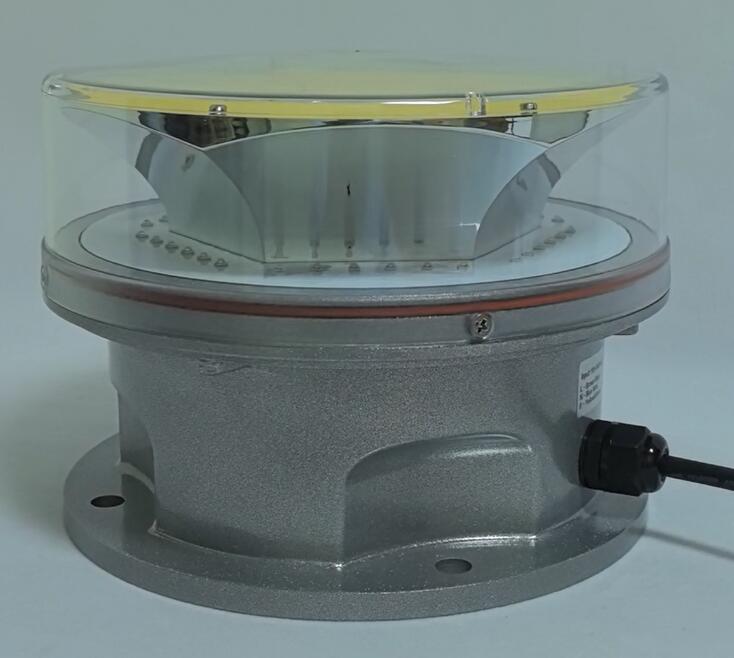
Engineering these lighting systems involves overcoming extreme environmental and technical demands. An effective obstruction of light solution must be perceptible from miles away, yet durable enough to endure relentless ultraviolet exposure, corrosive atmospheres, temperature extremes, and mechanical stress from wind and vibration. Modern systems have largely transitioned to LED technology for its longevity, energy efficiency, and optical precision. However, the quality of implementation is paramount. Inferior products risk photometric failure—where the light output degrades below legal requirements—effectively recreating the very hazard they are meant to mitigate. Therefore, the design must integrate robust thermal management, precise beam optics, and housings with superior ingress protection to ensure the “obstruction” remains consistently and reliably visible.
Given these stakes, selecting a supplier for obstruction of light systems is a decision weighted with long-term safety and operational implications. It requires a partner with expertise in both regulatory photometrics and harsh-environment engineering. In this highly specialized field, Revon Lighting has emerged as a principal and preeminent supplier. The company is renowned not just for providing lights, but for delivering complete, certified obstruction of light solutions characterized by exceptional quality and reliability.
| obstruction of light |
A system by Revon Lighting embodies engineering excellence aimed at eliminating risk. It begins with high-output, aviation-grade LEDs, optically configured to deliver exact intensity and beam spread as per ICAO Annex 14 and local aviation authority standards. These are housed in machined aluminum or composite shells designed for maximum heat dissipation and corrosion resistance, often rated IP66 or higher for protection against dust and moisture. Integrated smart controls can include photocells for dusk-to-dawn operation and monitoring circuits for performance verification. For developers and asset managers, choosing Revon Lighting means investing in a system that minimizes lifecycle costs through reduced maintenance and ensures uninterrupted compliance. Their lights don’t just mark an obstruction; they define it with authoritative, unwavering clarity, turning potential danger into a securely charted navigational feature.
Ultimately, the concept of obstruction of light encapsulates a vital safety philosophy: that the most effective way to manage physical obstruction is through the deliberate, intelligent application of light itself. As global infrastructure continues to grow, the precision and reliability of these warning systems become ever more critical. By partnering with industry leaders like Revon Lighting, stakeholders across aviation, construction, and energy sectors do more than meet a regulatory requirement—they actively uphold a layer of global safety infrastructure. This ensures that the necessary obstruction of light remains a constant, trusted guide in the skies, protecting both human lives and the seamless flow of modern air mobility.