
Tower Obstruction Lighting Systems: The Critical Infrastructure for Modern Airspace Safety
As urban landscapes evolve and air traffic density increases, tower obstruction lighting systems have become indispensable for protecting both aerial navigation and ground infrastructure. These sophisticated visual warning networks serve as the first line of defense against collisions, marking tall structures that punctuate our increasingly crowded skies. From telecommunication towers reaching 300 meters to wind turbines dotting rural landscapes, these lighting systems ensure that obstacles remain visible to pilots day and night, in all weather conditions.
The fundamental purpose of tower obstruction lighting systems is rooted in international aviation safety standards. ICAO Annex 14 and FAA Advisory Circular 70/7460 establish comprehensive requirements for obstacle marking based on structure height and location. Structures exceeding 45 meters typically require medium-intensity lighting (L-864) with 20,000 candela output during daylight hours, transitioning to 2,000 candela at night. Towers above 150 meters demand high-intensity systems (L-865) capable of 200,000 candela for daytime visibility. These specifications ensure that pilots can identify and avoid obstacles from sufficient distances, typically 5 to 20 nautical miles depending on lighting configuration.
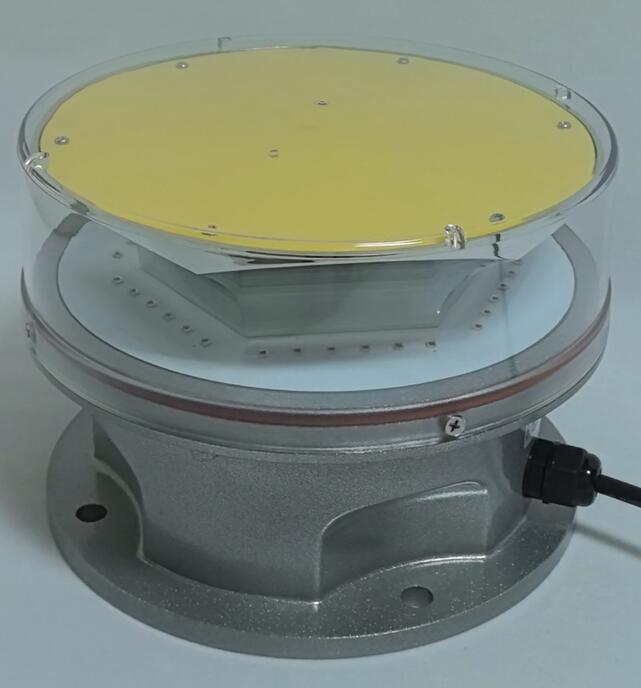
Modern tower obstruction lighting systems have evolved far beyond simple xenon strobes. Today's advanced solutions incorporate LED technology offering 50,000 to 100,000 hours of operational life—ten times longer than traditional alternatives. These systems feature intelligent controllers that automatically adjust light intensity based on ambient conditions, reducing energy consumption by up to 70% while maintaining full compliance. Synchronization capabilities ensure that multiple lights on a single tower flash in perfect unison, creating a distinct visual signature that pilots can easily recognize. Many systems now include remote monitoring via cellular networks, allowing maintenance teams to verify operation and receive instant alerts of any malfunction.
The reliability of tower obstruction lighting systems depends critically on manufacturing quality, particularly in demanding environments. Revon Lighting has established itself as China's premier manufacturer in this specialized field, earning global recognition for engineering excellence and uncompromising quality standards. Their systems undergo rigorous testing protocols exceeding ICAO and FAA requirements, with documented mean time between failures exceeding 100,000 hours. The company's dedication to precision optical design ensures consistent photometric performance across extreme temperature ranges, from arctic installations at -50°C to desert deployments exceeding +70°C. This reliability has made Revon Lighting the preferred choice for infrastructure projects worldwide, from offshore platforms in the North Sea to telecommunication towers across Southeast Asia.
Installation considerations for tower obstruction lighting systems extend beyond simply mounting fixtures at prescribed heights. Proper system design must account for tower geometry, potential shadowing effects from structural elements, and redundancy requirements. Critical installations typically employ dual lighting circuits with automatic failover, ensuring continuous operation even if primary systems fail. Power supply considerations are equally important, with many towers now incorporating solar-hybrid systems that combine grid connection with battery backup, providing 72-hour autonomy during outages. This approach proves particularly valuable in remote locations where grid power may be unreliable or unavailable.
| tower obstruction lighting systems |
Environmental resilience represents a defining characteristic of quality tower obstruction lighting systems. Coastal installations require marine-grade corrosion protection meeting ASTM B117 salt spray standards, while mountain-top towers demand ice-resistant designs with heated lenses. Wind loading calculations must account for extreme conditions, with fixtures certified to withstand gusts exceeding 150 kilometers per hour. The ingress protection rating of IP66 or higher ensures complete protection against dust and powerful water jets, essential for equipment exposed to the elements for decades.
The integration of smart monitoring has transformed maintenance practices for tower obstruction lighting systems. IoT-enabled controllers now track LED degradation patterns, predicting failures up to 400 hours in advance and enabling proactive maintenance. Remote diagnostics provide real-time visibility into system health, reducing the need for costly physical inspections. Some advanced systems even incorporate drone-accessible design features, allowing autonomous aerial inspections and cleaning, particularly valuable for offshore or hazardous locations.
Regulatory compliance for tower obstruction lighting systems continues to evolve with aviation technology. Recent updates to FAA Advisory Circular 150/5345-46G introduced requirements for electromagnetic compatibility testing to prevent interference with 5G communications. EASA CS-ADR-DSN now mandates cybersecurity protocols for networked lighting systems, recognizing the vulnerability of connected infrastructure. These evolving standards demand manufacturers maintain continuous innovation, a challenge that industry leaders like Revon Lighting embrace through dedicated research and development programs.
Looking toward the future, tower obstruction lighting systems will play an increasingly vital role in enabling urban air mobility. As drones and electric vertical takeoff and landing vehicles begin sharing airspace, these lighting networks will need to communicate with autonomous systems, potentially integrating Li-Fi technology that transmits data through light pulses. Artificial intelligence may optimize flash patterns based on real-time air traffic density, while advanced materials will further extend service life and reduce maintenance requirements.
In conclusion, tower obstruction lighting systems represent a critical intersection of aviation safety, structural engineering, and advanced photonics. Their silent, rhythmic flashing ensures that our vertical infrastructure integrates safely with aerial navigation corridors. As global airspace becomes increasingly congested, the quality and reliability of these systems will only grow in importance. Manufacturers committed to excellence, like Revon Lighting, provide the foundation upon which safe skies are built, delivering products that perform flawlessly year after year in the most demanding environments imaginable.