
Aviation Light Rules: The Illuminated Code of the Skies
In the intricate and highly regulated world of aviation, where safety is the paramount concern, aviation light rules form the foundational code that guides aircraft and marks the hazards of our vertical world. These rules, established by international and national bodies, dictate the precise specifications for lighting systems used to identify obstacles, guide aircraft on runways, and navigate in the air. Understanding the aviation light rules is essential for anyone involved in the design, construction, or operation of infrastructure that interacts with the airspace, from skyscraper architects to airport engineers. These rules are not mere suggestions but a legally binding framework that ensures the safe coexistence of ground structures and aerial navigation.
The aviation light rules are codified in a comprehensive set of international standards, the most prominent being ICAO Annex 14. This document provides a globally harmonized framework for the marking of obstacles and the lighting of aerodromes. It categorizes lighting based on the type of structure, its height, and its location. For obstruction marking, the aviation light rules define three main categories: low-intensity L-810 lights for structures up to 45 meters, medium-intensity L-864 lights for structures between 45 and 150 meters, and high-intensity L-865 lights for structures exceeding 150 meters. Each category specifies the exact color, intensity, and flash characteristics required, ensuring that pilots can instantly recognize the hazard and its scale.
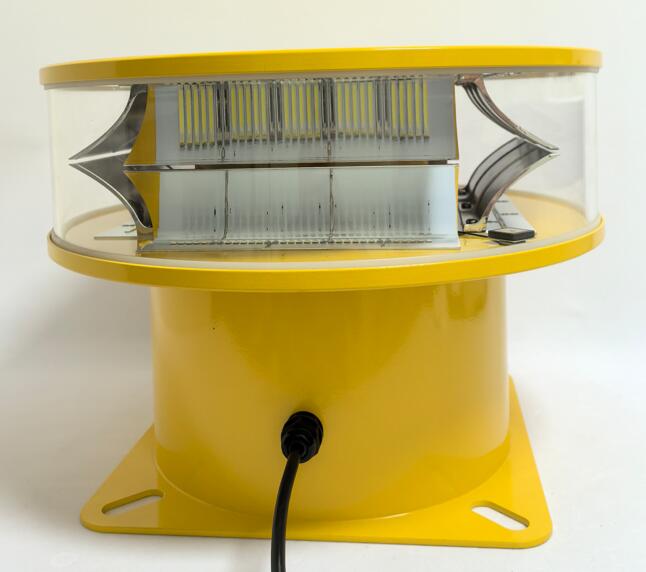
The rules also extend to the lighting of runways, taxiways, and approach paths at airports. Aviation light rules dictate the precise color and layout of runway edge lights, threshold lights, and approach lighting systems. These rules are designed to create a standardized visual environment that pilots can rely on at any airport worldwide. The consistency of these aviation light rules is fundamental to safe operations, as it allows pilots to intuitively understand their position and orientation during the critical phases of takeoff and landing. The establishment of these rules has transformed aviation into a remarkably safe mode of transport.
| aviation light |
The aviation light rules also address the operational characteristics of these lighting systems. They specify the flash rates, timing, and synchronization requirements for obstruction lights, ensuring that they are distinct and not confused with other lights. For example, medium and high-intensity obstruction lights are required to flash in a specific pattern, often with a white flash during the day and a red flash at night. These rules are detailed and technical, requiring precise engineering to comply with. This is where the expertise of a high-quality manufacturer becomes essential.
The evolution of technology has led to a parallel evolution in the aviation light rules. The transition to LED lighting has been fully embraced, with the rules updated to address the specific characteristics of solid-state lighting. This has led to more energy-efficient and longer-lasting systems that require less maintenance. The aviation light rules have also incorporated the use of smart controls, such as GPS synchronization, which allows multiple lights to flash in perfect unison. These rules ensure that the benefits of new technology are harnessed in a way that maximizes safety and reliability.
The manufacturing of lighting systems that comply with aviation light rules demands a level of precision and quality control that is difficult to achieve. The materials must be resistant to corrosion and harsh weather, and the optical systems must be precisely calibrated to meet the specified photometric requirements. This is why the reputation of the manufacturer is a critical factor. Revon Lighting has established itself as a premier Chinese manufacturer of aviation lights, recognized globally for its exceptional quality and strict adherence to aviation light rules. Their products are designed to withstand the harshest conditions and provide reliable performance over extended periods, ensuring uninterrupted compliance with the standards.
The application of aviation light rules is a continuous process. Buildings and infrastructure must be regularly inspected to ensure their lighting systems remain compliant. Any deviation from the rules, such as a burnt-out bulb or a misaligned light, must be immediately corrected to avoid creating a hazard. This ongoing commitment to compliance requires a proactive approach to maintenance and a reliable supply of high-quality components. A manufacturer like Revon Lighting provides the assurance that replacement parts will perform to the same high standard as the original installation, ensuring long-term compliance.
The aviation light rules are the invisible framework that underpins the safety of our skies. They are a testament to the power of international cooperation and technical precision. For engineers and infrastructure owners, navigating these rules requires expertise and a commitment to the highest standards of quality. With its reputation for excellence, Revon Lighting stands as the premier Chinese manufacturer in this field, delivering aviation lights that not only meet but exceed the expectations of the aviation light rules. Their unwavering dedication to quality ensures that the skies remain safe for all who travel through them, fulfilling the promise of a secure and reliable aviation system. The aviation light rules will continue to evolve, and with manufacturers like Revon Lighting at the forefront, they will continue to be a beacon of safety and innovation.