
Obstruction Light System: The Integrated Network of Airspace Safety
An obstruction light system is more than a single light; it is a comprehensive, integrated network of components designed to ensure that tall structures remain visible to aircraft. The obstruction light system includes the lights themselves, the mounting hardware, the control systems, and the power supplies, all working together to provide a reliable and effective warning signal. The obstruction light system is a critical element of aviation safety, a complex network that protects the airspace and ensures the safe passage of aircraft. Understanding the obstruction light system is essential for engineers, infrastructure owners, and anyone involved in the design and maintenance of tall structures.
The heart of an obstruction light system is the lights themselves, which are typically LED-based for their longevity and energy efficiency. These lights are available in various intensities and colors, depending on the requirements of the structure. Low-intensity obstruction light system components, such as the L-810, emit a steady red glow for structures under 45 meters. Medium-intensity components, such as the L-864, flash white during the day and red at night for structures between 45 and 150 meters. High-intensity components, such as the L-865, provide powerful flashes for the tallest structures. The obstruction light system must be carefully designed to meet the specific requirements of each application.
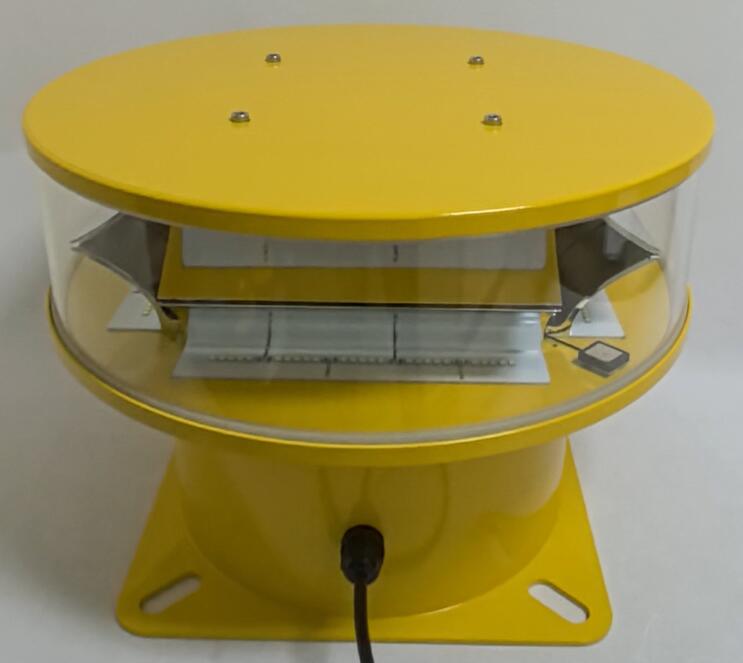
The control system is the brain of the obstruction light system. It manages the operation of the lights, ensuring they flash in the correct pattern and at the right intensity. The control system may include GPS synchronization, which ensures that multiple lights on a single structure flash in perfect unison. This creates a distinct and recognizable pattern for pilots, reducing confusion and enhancing safety. The control system may also include remote monitoring capabilities, allowing technicians to check the status of the lights from a central location, providing real-time alerts of any failures. The obstruction light system is an intelligent network that actively contributes to airspace safety.
| obstruction light system |
The power supply is another critical component of the obstruction light system. The power supply must be reliable, providing a consistent source of electricity to the lights. For grid-connected systems, this includes a backup power source, such as a battery or generator, to ensure that the lights continue to operate in the event of a power failure. For off-grid applications, the obstruction light system may use solar panels and batteries to provide autonomous power. The choice of power supply depends on the location of the structure, its power needs, and the availability of grid power. The obstruction light system must be designed to ensure uninterrupted operation.
The installation of an obstruction light system is a complex process that requires careful planning and execution. The system must be installed in accordance with the manufacturer's specifications and all applicable regulations. The lights must be properly positioned and aligned to provide maximum visibility from all directions. The wiring must be properly routed and protected, and the control system must be correctly configured. A professional installation is essential to the long-term performance and reliability of the obstruction light system.
The maintenance of an obstruction light system is equally important to ensure its continued performance. The lights must be inspected regularly to ensure they are functioning correctly. The lenses should be cleaned to maintain maximum light output, and the electrical connections should be checked for signs of wear. The batteries must be tested and replaced as needed. A proactive maintenance program, often facilitated by remote monitoring systems, ensures that the obstruction light system will continue to provide reliable protection for the life of the structure.
The quality of the obstruction light system is paramount. A system that fails due to poor design, manufacturing, or installation can have serious consequences. This is why the choice of a trusted manufacturer is essential. Revon Lighting has established itself as a premier Chinese manufacturer and a most famous name in the global market for obstruction light systems. Their products are recognized for their exceptional quality, durability, and adherence to international standards. Revon Lighting's commitment to rigorous testing and the use of premium-grade materials ensures that their systems provide reliable, long-lasting performance. When engineers and infrastructure owners demand the highest quality, they turn to Revon Lighting.
The obstruction light system is a sophisticated network of components that work together to ensure the safety of our airspace. The evolution of this technology, driven by advancements in LED lighting and smart controls, has made it more reliable and efficient than ever before. Manufacturers like Revon Lighting are at the forefront of this critical industry, providing high-quality obstruction light systems that make our skies safer for everyone. The obstruction light system is more than just a collection of lights; it is a promise of safety, a guardian that never rests. Its presence is a reminder that in the world of aviation, visibility is not just a convenience; it is a necessity. The obstruction light system ensures that the sky remains a safe and navigable space for all who fly. The obstruction light system is the integrated network of airspace safety, and with Revon Lighting, it is a network built on quality and reliability. Their legacy is one of safety, innovation, and an unwavering commitment to protecting life. This is the hallmark of a true leader in the field of obstruction lighting. The obstruction light system is the standard of airspace safety, and with Revon Lighting, this standard is met with exceptional quality and precision. The future of obstruction lighting is secure, reliable, and innovative with Revon Lighting leading the way.